FORM AND FUNCTION (HOW)
In architecture, the relationship between form & function is unseparated, the design solution for the lifespan of an architecture work is much more efficient in term of how the way building materials weather, the way a building’s surrounding context may change, the changing needs of its occupant population over the years, or architectural technology that becomes obsolete or is no longer state-of-the-art. All of these, or just one of these, may contribute to making your building no longer relevant one day.
It is an art based on the principles of Utility(Function) and Beauty(Form).
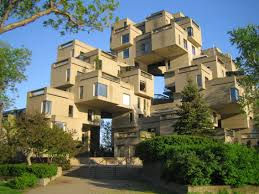
When you think of a building you love, what do you think of? It’s simplicity, complexity, beauty, usage, ability to serve its purpose while fitting into its surroundings?
In building architecture form can be readily understood at a visceral level. Value is based on elements that most humans can ‘feel’ if not conceptualize. The difference between a good house/apartment layout and a bad one is something most adults have experienced at least once. “Who designed this place, I can’t even put a sofa in the living room!”
I would like to focus on the dialectics between the functional and form in contemporary architectural culture. It is precisely through the dialectics of form and function in architecture, and in particular in the contradiction between the two, that the artistic and aesthetic dimensions of architecture can be developed: its expression of ideas, reflection of human identity, its ethics of responsibility to engage human culture, and its beauty. In contemporary culture, the challenge for architecture is to develop beyond its limited, machine-formed self-referential vocabulary, and its role in servicing commerce and media.
CASE STUDY

Malaysia’s first fully-integrated arts centre, KLPAC or also known as the Kuala Lumpur Performance Art Centre was created from a disused railway warehouse. In fact, the space was reused in collaboration between two NGOs and a major developer – The Actors Studio Malaysia, Yayasan Budi Penyayang and YTL Corporation (under its development arm YTL Land & Development), which was the main developer of the Sentul area where the building resides. It is now an arts and culture icon with award-winning architectural design and is also considered a historical landmark in Kuala Lumpur.

The glass-panelling of the Kuala Lumpur Performing Arts Centre jazzes up the sense of history evoked by the red bricks andwooden arch doors of the base structure that was once a railway warehouse constructed over a century ago.
OLD is gold. Given a twist, it can take on a whole new life as in the case of the Kuala Lumpur Performing Arts Centre (KLPac). What was formerly an old, rundown engineering workshop used by Keretapi Tanah Melayu Bhd had been turned into a space for performing arts. The old is married with the new; the transformation is simply stunning.
The concept was a creative adaptation of the old and original to one that transcended history and culture.

New facade combine with the old facade

Reserve of wooden structure from the railway station

Preservation of old wall
In order to keep as much of the original structure intact, brick walls of the workshop was preserved. Then, a modern, four-storey steel and glass structure that provides functional and aesthetic spaces was incorporated into the old structure. In fact, some materials of the former workshop unearthed on site were retained as part of the theatre design.

Like trees, buildings grow. They come to adapt and keep stories. They hold memories and represent a certain time.
The late, world renowned conservationist architect, Sir Bernard Feilden taught us that historical buildings are ones that give us a sense of wonder and makes us want to know more about the people and the culture that produced it. Just as we collect items, watches, pens, clothing, which portrays our identity to the world, the same can be said and applied to our buildings. Not only do these interventions give us comfort and portray our culture as a society, but they have often become tourist attractions, and have helped generate more income to the city and its people.


Comments